What Insulated Siding Installation Involves
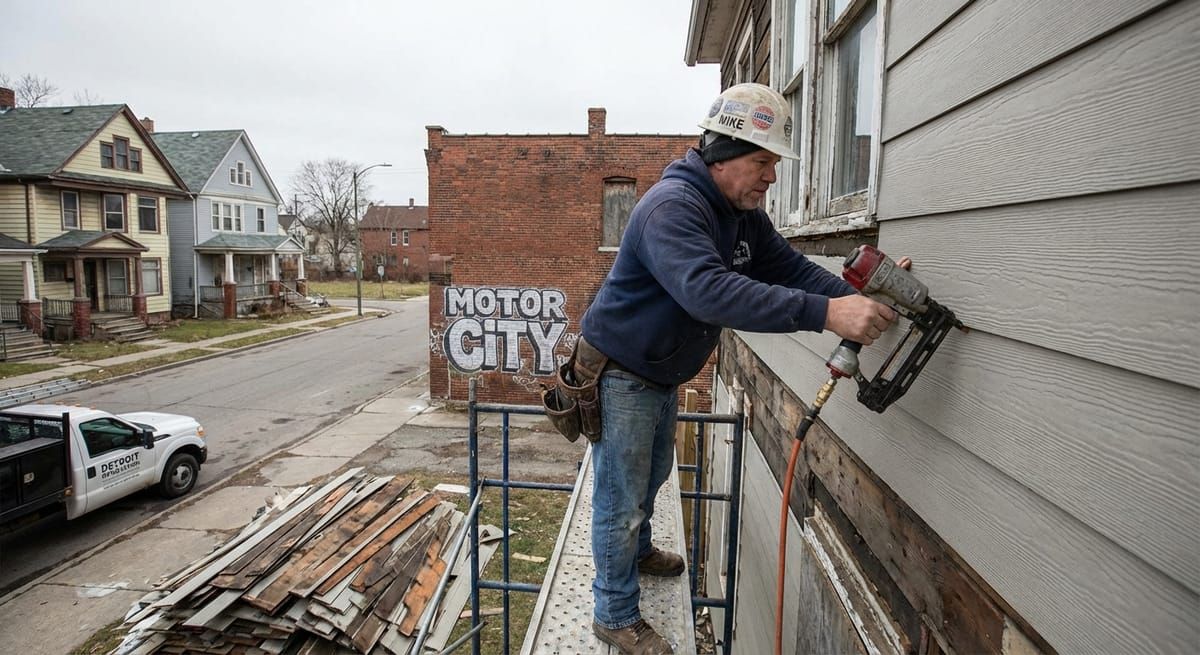
Insulated siding differs from traditional vinyl siding through its integrated foam backing layer. This foam is permanently laminated to the back of each siding panel, creating a rigid, impact-resistant exterior that conforms precisely to your home's wall surface. During installation, our crews remove your existing siding and inspect the underlying sheathing and house wrap for damage or moisture issues. We address any problems before proceeding with the new insulated panels.
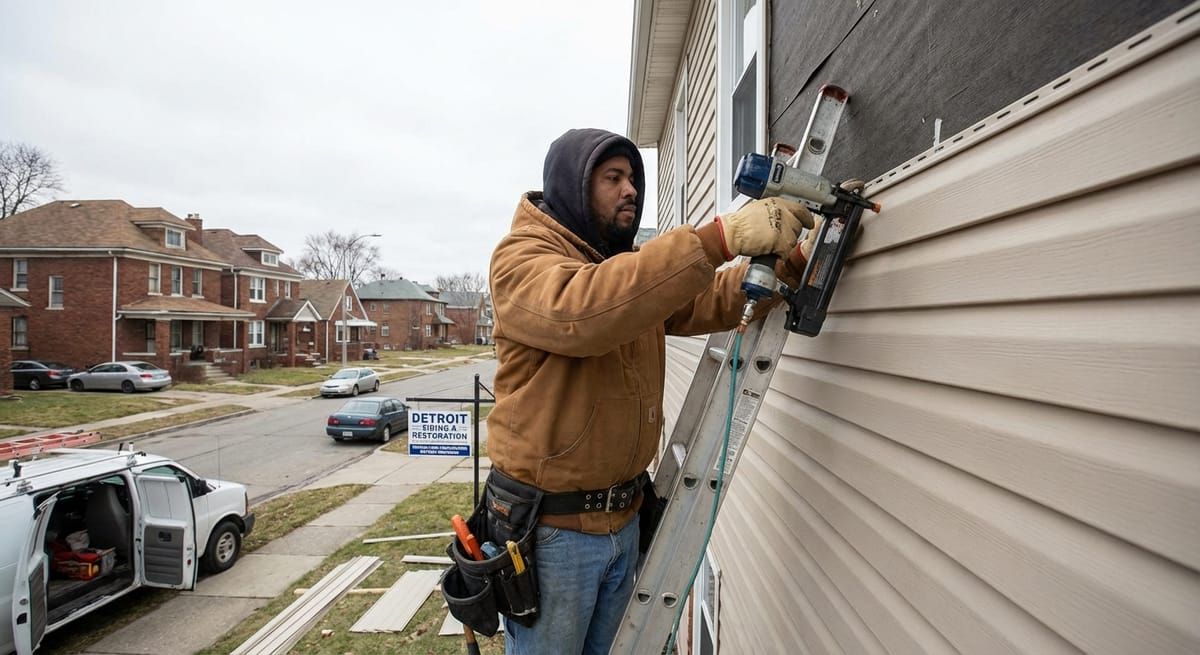
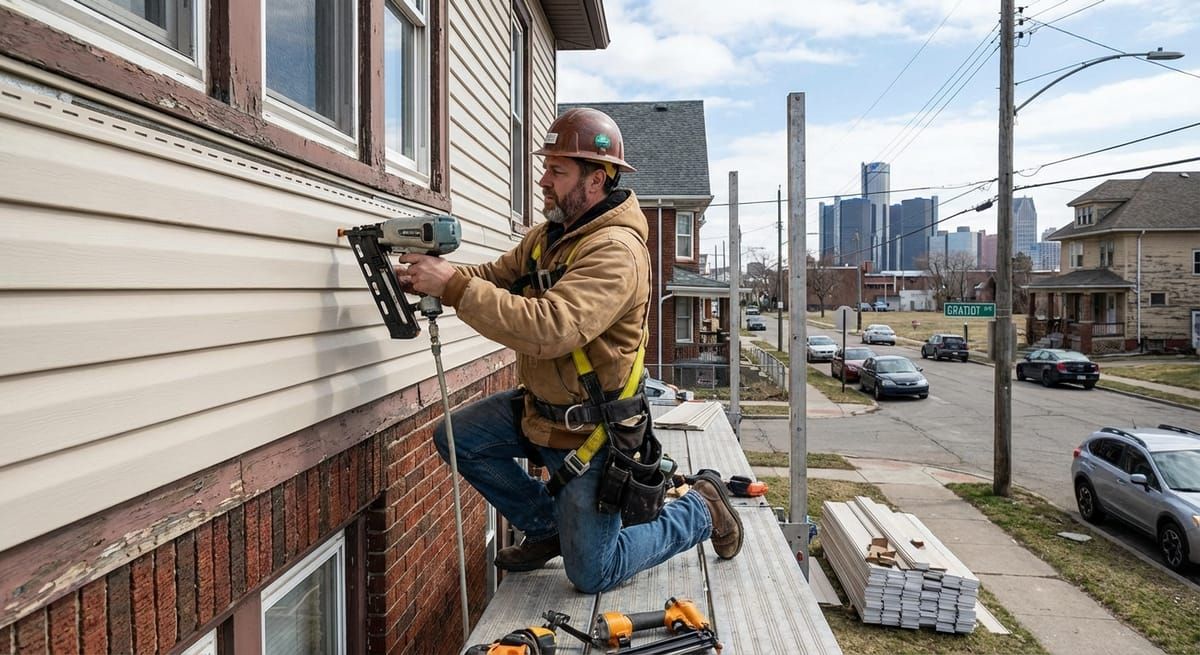
The installation process requires careful attention to proper panel alignment and secure fastening. Each insulated siding panel locks into the panel below it and gets nailed through pre-punched slots that allow for natural expansion and contraction with temperature changes. We install starter strips at the base, J-channels around windows and doors, and corner posts at all exterior corners. The foam backing fills gaps between the siding and your wall sheathing that would otherwise allow air infiltration and thermal transfer.
Finishing touches include installing trim pieces around all openings, adding soffit and fascia if needed, and ensuring all seams and transitions are properly sealed. The entire process typically involves a complete exterior transformation that dramatically improves your home's curb appeal while delivering measurable energy performance benefits.
When Detroit Homeowners Need Insulated Siding
Several situations indicate that insulated siding could benefit your Detroit home. If your heating and cooling bills seem unreasonably high despite having adequate insulation in your attic and walls, your existing siding may be allowing significant thermal bridging through wall studs and air leakage through gaps. Insulated siding addresses both issues by creating a continuous thermal barrier across your entire exterior wall surface.
Homes with aging aluminum or thin vinyl siding often develop visible waviness, dents, and fading that detract from curb appeal. The rigid foam backing in insulated siding creates a flatter, more uniform appearance that resists denting from hail, debris, and everyday impacts. If your current siding shows these wear patterns, upgrading to insulated panels provides both aesthetic improvement and enhanced durability.
Detroit's location means homes experience temperature swings from below zero winters to hot, humid summers. If you notice cold spots near exterior walls in winter, excessive heat radiating from walls in summer, or drafts around windows and doors, insulated siding can significantly reduce these comfort issues. Homeowners who hear excessive traffic noise, airplane sounds, or neighbor activity through their walls also benefit from the sound-dampening properties of foam-backed siding panels.
Why Siding Performance Problems Develop
Traditional vinyl siding hangs loosely on your home's exterior, leaving air pockets between the siding and wall sheathing. These air pockets allow convective heat transfer—warm air rises behind your siding in summer, carrying heat directly against your house, while cold air settles in winter, pulling heat out of your home. The foam backing in insulated siding eliminates these air pockets entirely.
Older homes in Detroit often have inadequate wall insulation by modern standards. Houses built before current energy codes may have only 2x4 wall cavities with minimal fiberglass batts, leaving substantial thermal bridging through every wall stud. Since studs make up roughly 25% of your wall area, this creates significant energy loss that interior insulation cannot address. Insulated siding provides a continuous thermal break across the entire wall surface, including over studs.
Building materials expand and contract with temperature changes, and over time this movement can open gaps at seams, around windows, and at transitions between different materials. These gaps allow air infiltration that increases heating and cooling loads while potentially allowing moisture intrusion. Properly installed insulated siding accommodates thermal movement while maintaining a tighter building envelope than traditional siding systems.
Factors That Affect Insulated Siding Project Costs
The total square footage of your home's exterior walls represents the primary cost factor for any siding project. Larger homes require more material and labor hours. However, square footage alone does not determine final cost—the complexity of your home's architecture plays an equally important role. Homes with multiple dormers, bay windows, decorative trim features, and complex rooflines require more cutting, fitting, and custom trim work than simple rectangular structures.
The condition of your existing exterior affects preparation requirements. If your current siding hides damaged sheathing, rotted framing, or moisture problems, these issues must be corrected before new siding installation. Homes with multiple layers of old siding may require complete tear-off rather than overlay installation. The height of your home also impacts labor costs, as two and three-story sections require scaffolding and additional safety measures.
Product selection influences both material cost and long-term value. Insulated siding comes in various thicknesses, with thicker foam backing providing greater energy improvement and impact resistance. Premium color options, shake and shingle styles, and architectural details like decorative panels cost more than basic horizontal lap profiles. Choosing higher-quality products typically provides better long-term value through improved durability and energy savings, though the initial investment is higher.
Repair Options Versus Complete Replacement
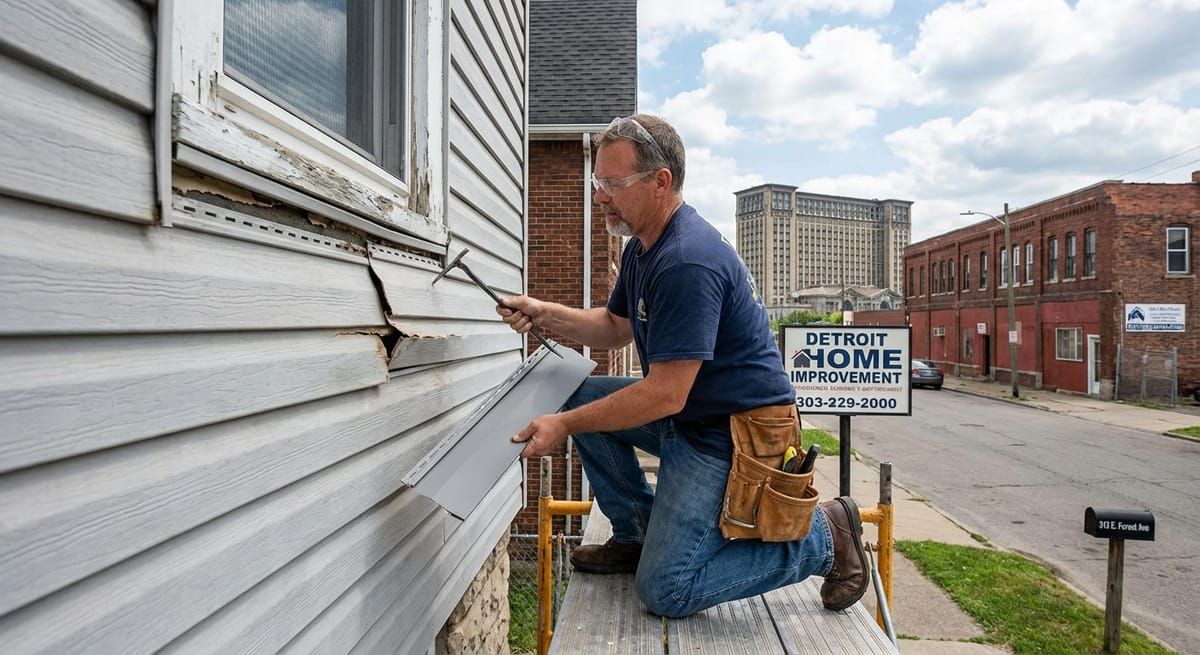
Unlike traditional vinyl siding where damaged sections can often be replaced individually, insulated siding repairs require more careful consideration. The foam backing is permanently bonded to the vinyl face, meaning repairs involve matching both the profile and the foam thickness of your existing installation. If your insulated siding is relatively new and damage is limited to a small area, sectional repair may be feasible if matching panels remain available.
When damage extends across multiple panels or your existing insulated siding has weathered significantly, complete replacement often makes more sense than patchwork repairs. Faded siding will not match new panels regardless of the original color match, and older foam formulations may have different R-values than current products. Additionally, siding manufacturers periodically update profiles and colors, making exact matches increasingly difficult for older installations.
If your home currently has traditional non-insulated siding and you are considering repairs, evaluate whether upgrading to insulated siding during the repair makes sense for your situation. The incremental cost to install insulated panels during a siding project is substantially less than retrofitting insulation separately. Detroit's climate makes the energy efficiency benefits particularly valuable, often justifying the upgrade investment.
The Installation Process From Start to Finish
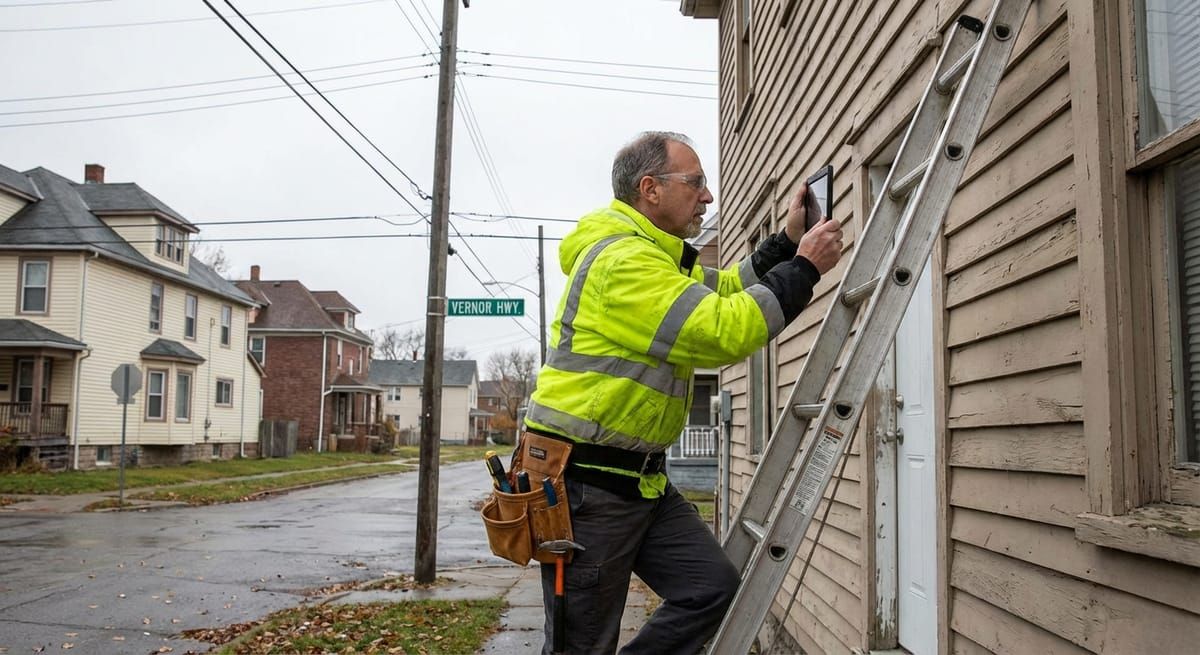
Every insulated siding project begins with a thorough inspection of your home's exterior. We examine the current siding condition, check for underlying damage, assess the complexity of trim and architectural details, and take precise measurements. This inspection allows us to provide an accurate scope of work and identify any issues that should be addressed during installation.
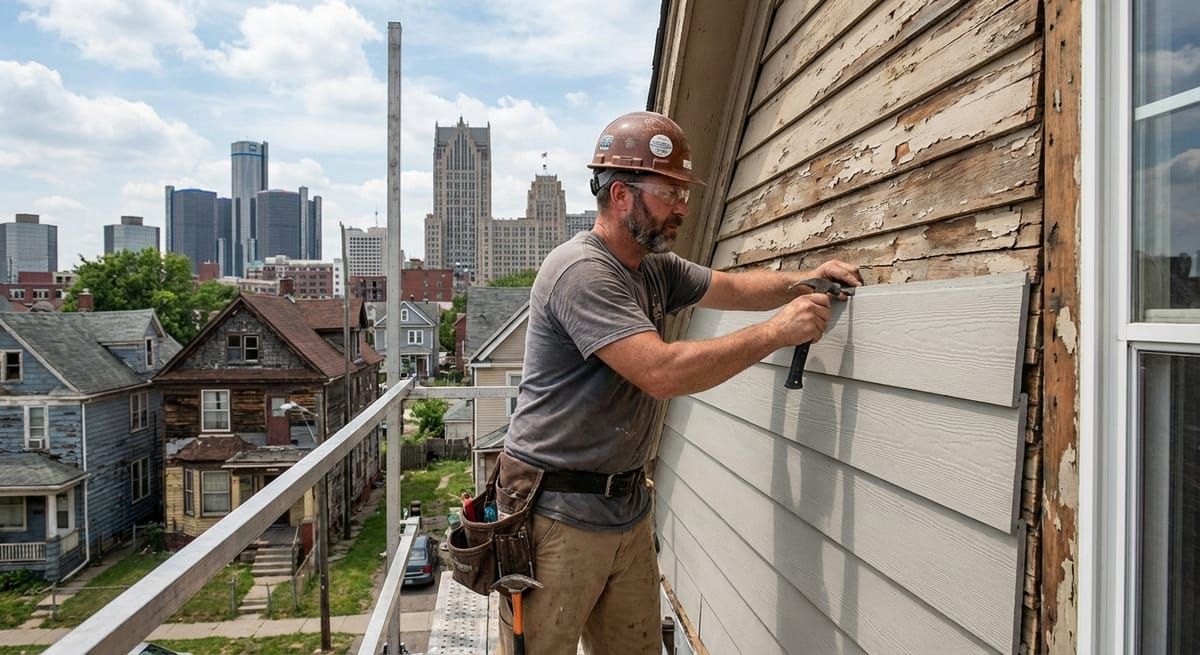
Once you approve the project, we schedule installation based on weather conditions and material availability. The crew arrives with all necessary materials and equipment, sets up work areas with ground protection, and begins systematic removal of existing siding. We work around your home section by section, completing each wall before moving to the next to minimize the time any area remains exposed.
After removing old siding, we inspect the exposed sheathing and house wrap, making repairs as needed. New house wrap may be installed if the existing material is damaged or inadequate. Then installation of the insulated panels proceeds from bottom to top, with careful attention to level starting lines and proper fastener placement. The project concludes with thorough cleanup, final inspection, and a walkthrough to ensure your complete satisfaction with the finished installation.
Why Detroit Homeowners Choose Insulated Siding
Michigan weather demands building materials that perform under extreme conditions. Detroit experiences everything from sub-zero winter temperatures to summer heat waves with high humidity. Insulated siding maintains its appearance and performance through these temperature extremes without warping, cracking, or fading like lesser materials. The foam backing provides structural rigidity that prevents the oil-canning waves common in thinner siding products.
Energy costs in Detroit reflect the need for both winter heating and summer cooling. Insulated siding reduces thermal transfer through your walls, lowering the workload on your HVAC system year-round. Many homeowners report noticeably more consistent indoor temperatures after installation, with fewer hot and cold spots near exterior walls. These comfort improvements complement the financial savings on utility bills.
The durability of insulated siding also appeals to Detroit homeowners who want exterior maintenance kept to a minimum. The thick vinyl surface resists scratches and never needs painting, while the foam backing absorbs impacts that would dent traditional siding. This combination means your home maintains its appearance for years without the periodic maintenance that other siding materials require.